

What Is In-Home Companion Care?
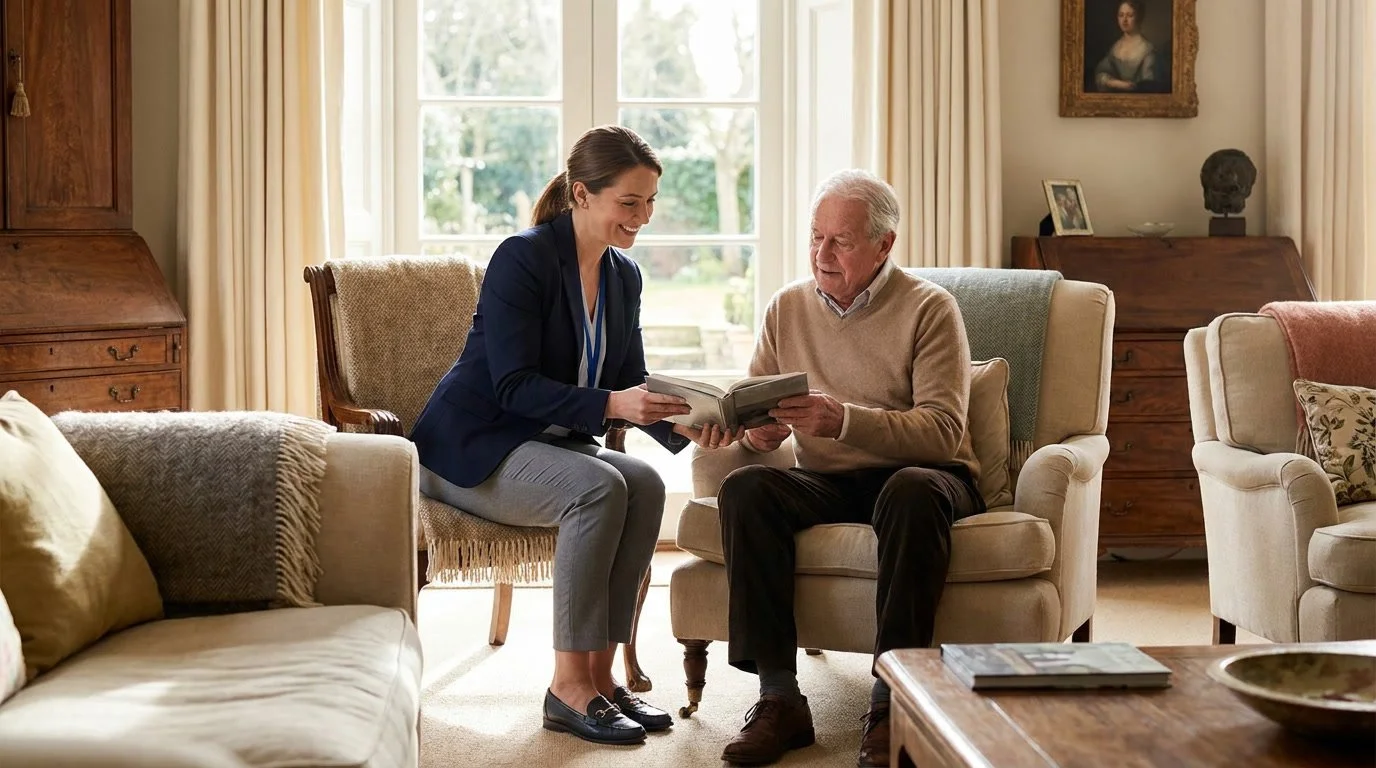
In-home companion care is a non-medical support service in which a trained professional provides consistent companionship, assistance with daily activities, and emotional support to an aging or vulnerable family member within the comfort of their own residence. For families navigating the decisions that come with an aging parent who needs support but doesn't require nursing care, companion care offers a dignified, personalized alternative to larger facility options.
1) What Does In-Home Companion Care Actually Include?
The companion care role is distinct from medical or clinical home health care. A companion care professional is not a licensed nurse or home health aide. Their scope is focused on the social, emotional, and practical dimensions of daily life, and that focus is precisely what makes the role so valuable.
a) Companionship and Emotional Support
The most foundational element of the role is presence. A companion care professional spends meaningful time with the individual they support, engaging in conversation, sharing meals, accompanying them on walks, or simply being a consistent and warm presence in the home. For older adults who live alone or whose family members have demanding schedules or don’t live locally, this consistency is a genuine health benefit. Research consistently links social isolation in older adults to accelerated cognitive decline, depression, and reduced quality of life.
b) Assistance with Daily Activities
Companion care professionals assist with the practical aspects of daily life, such as light meal preparation, medication reminders, basic hygiene and grooming support, light housekeeping, and managing household tasks that have become difficult to handle independently. The goal is to support the individual's independence and dignity, not to take over, but to make daily life manageable and comfortable.
c) Transportation and Errand Support
Getting to medical appointments, running errands, or attending community activities becomes more complicated with age. A companion care professional provides reliable, familiar transportation and accompaniment, ensuring the individual stays connected to their life outside the home.
d) Family Communication and Observation
An experienced companion care professional serves as an additional set of eyes for the family. They observe changes in mood, appetite, mobility, or cognition and communicate those observations to family members promptly. This monitoring function gives families meaningful peace of mind when they cannot be present daily.
2) How Is Companion Care Different from Other Home Care Roles?
Families often come to us uncertain about where in-home companion care fits relative to other household roles. The distinctions matter.
A home health aide or certified nursing assistant provides hands-on personal care and may perform clinical tasks under medical supervision. That is not companion care. A housekeeper maintains the home. A family assistant manages logistics. A companion care professional is specifically focused on the well-being, dignity, and daily quality of life of the individual in their care. The relational dimension of the role is what defines it.
3) Who Is Companion Care Right For?
In-home companion care is most commonly right for the following situations: an older person lives alone and has family members who are concerned about isolation or increasing difficulty with daily tasks, a family member is recovering from a medical procedure or illness and needs transitional support, or an individual has early-stages of cognitive decline and would benefit from a structured routine and consistent support without clinical intervention.
In each situation, the through line is the same. The individual deserves support that preserves their dignity, honors their autonomy, and keeps them in the environment they know and love.
4) Live-In vs. Scheduled Companion Care
In-home companion care can be structured in two primary ways.
Scheduled companion care involves a professional who visits on set days per week, providing support during those hours. This works well for individuals who are largely self-sufficient but benefit from consistent social engagement and practical assistance.
Live-in companion care is when a professional resides in the home and has defined rest hours. This is appropriate for individuals who require more continuous oversight. Live-in arrangements give families a higher level of assurance and the individual an ongoing, trusted relationship.
5) Finding the Right Companion Care Professional
The qualities that make someone exceptional in this role go well beyond a resume. Warmth, patience, genuine empathy, and the ability to build trust over time are essential, as is discretion, reliability, and a professional manner that respects the individual's autonomy at every turn.
Welcome to Wilshire Agency, a premier household staffing agency specializing in cultivating seamless, high-caliber household teams. We provide Los Angeles' most discerning households with first-rate companion care professionals, estate managers, housekeepers, personal chefs, family assistants, and more, each devoted to delivering unparalleled service tailored to the unique needs of our clientele. We take the time to understand the individual's personality, routines, and care needs alongside the family's expectations before making any introductions.
The right companion care professional doesn't just provide support. They genuinely upgrade the quality of life for loved ones.
6) Frequently Asked Questions
a) What is in-home companion care?
In-home companion care is a non-medical support service in which a trained professional provides companionship, help with daily activities, and emotional support to an aging or vulnerable person within their own residence.
b) How is companion care different from home health care?
Home health care involves licensed clinical professionals providing medical support. Companion care is non-medical, focused on social, emotional, and practical daily support without a clinical scope.
c) Is companion care live-in or scheduled?
Both options are available depending on the level of support required. Scheduled care involves set visit days per week. Live-in care provides continuous presence, appropriate for individuals needing more consistent oversight.
d) How do I find a companion care professional in Los Angeles?
Working with a household staffing agency like Wilshire Agency ensures thorough vetting, careful compatibility matching, and placement support tailored to your family member's specific needs.
Found this helpful? Check out our other articles:
Why Using a Domestic Staffing Agency Saves You Time and Stress
Choosing the Right Household Staffing Team for Your Los Angeles Home
If you're looking for distinguished household staff who will exceed your expectations, schedule a consultation here.
If you're an exceptional professional looking for your next placement, learn more about partnering with Wilshire Agency.
